
SOCIETAL CHANGES IN LAST 100 YEARS AFFECTING HEALTH CARE
Over the past century, the way people live, work, communicate, eat and receive medical care has changed profoundly. Medical science has extended life expectancy and improved survival from many diseases; however, several societal changes are also contributing to chronic physical and mental health conditions.
Food: Ultra-processed foods have become widespread because they are convenient, inexpensive and palatable. Recent U.S. data estimate that ultra-processed foods provide about 50 percent of the calories consumed, making this pattern a major public health concern. Higher intake of ultra-processed food has been associated with obesity, cardiovascular disease, metabolic disorders and other chronic conditions.
Digital media: Many people now spend substantial portions of the day using phones, computers and televisions, often at the expense of face-to-face interaction, sleep, physical activity and cognitive activity. Excessive screen time is associated with sedentary behaviour, social isolation, anxiety, depression, sleep disruption and reduced overall well-being. These trends may contribute to obesity, cardiovascular risk and mental health disorders. Advent of artificial intelligence has its good and bad effects on mental health and cognitive development.
Addictive habits: Tobacco, excessive alcohol use and drug misuse continue to harm individuals, families and society. Short-term pleasure or relief may be followed by long-term physical illness, mental health consequences, addiction, financial strain and social disruption.
Women’s role: Expanding educational, professional and social opportunities for women has been an important advance in equality and independence. At the same time, modern family and work patterns can create time pressures for both women and men, including less time for home cooking, family caregiving, pregnancy planning and rest. These burdens may contribute to burnout, delayed parenthood, fertility concerns and mental health.
Urbanisation: Rapid urbanisation has transformed rural areas into densely populated cities, often reducing access to green space and increasing traffic, pollution, crowding and stress. These environmental changes may contribute to respiratory disease, diminished physical activity and other health challenges.
Climate change: Climate change and air pollution are increasingly linked to health risks, including heat-related illness, respiratory and cardiovascular disease, harms from extreme weather, and threats to food and water security. Wildfire smoke is concerning because fine particulate matter can worsen lung and heart disease.
Travel and transportation: Transportation has become faster and more convenient. However, increased travel also brings health concerns, including accidents, injuries, pollution exposure, sedentary commuting and stress from congestion.
Weapons and violence: The growing availability and destructive capacity of modern weapons have serious public health implications. Firearm injuries, mass violence, war-related trauma, displacement and the psychological effects of chronic insecurity contribute to preventable illness and death. Nuclear weapons add an unprecedented level of risk that did not exist a century ago.
Business of health care: Modern health care system has become dependent on tests, procedures, medications and treatment protocols. When financial pressures from insurers, hospitals, pharmaceutical companies and equipment manufacturers dominate care decisions, prevention and lifestyle-based approaches to chronic disease receive less attention than they deserve.
Polypharmacy: Many patients take multiple prescription medications, sometimes from several clinicians and over the counter, who may not be fully coordinated. Polypharmacy can increase the risk of side effects, drug interactions, duplicated therapy and confusion.
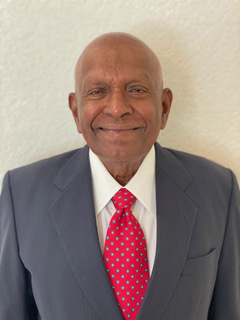
In summary, medical progress has helped people live longer and healthier lives, but certain societal changes are having negative impacts on their general health.Dr. Venkit S. Iyer, MD, FACS, is a retired General and Vascular Surgeon. He has authored four books – “Decision making in clinical surgery,” “Aging well and reaching beyond,” “The Clinic” and “Geriatrics Handbook.” They are available through Amazon or from the author. His website venkitiyer.com has necessary links and contact information.
EYE CARE
September Is Healthy Aging Month: What Are Your Eyes Trying to Tell You?

By Arun C. Gulani, MD, MS
September is Healthy Aging Month, a good reminder that living longer should also mean living well and few things influence our independence and enjoyment of life more than our vision. Yet one of the most common mistakes we make as we get older is assuming that every change in eyesight is simply part of aging.
Our eyes do age, of course, and they do so at many different levels. The tear film that coats the eye can become unstable, the cornea can change, the natural lens gradually loses its ability to focus and later its clarity, the gel inside the eye changes, and the retina and optic nerve become more vulnerable to certain diseases. Some of these changes are completely normal. Some can be improved. Others can be early warnings of conditions that deserve attention. The important thing is knowing the difference.
Presbyopia (reading vision)
For many people, the first noticeable change arrives sometime in their 40s. The restaurant menu starts moving farther away and the print on the phone suddenly seems smaller. This is usually presbyopia, the normal loss of our ability to focus comfortably at nearby.
But not every change in reading vision should automatically be blamed on age. Dry eye can make vision fluctuate, changes in blood sugar can alter focus, medications can affect vision, and subtle changes in the cornea or natural lens can also make yesterday's glasses seem inadequate today.
Dry eyes
In fact, one of the most overlooked parts of good vision is the tear film. Before light enters the cornea, passes through the lens and eventually reaches the retina, it first encounters this incredibly thin layer covering the surface of the eye. If that surface is unstable, the image entering the eye is already compromised. This is why someone may see clearly immediately after blinking and then become blurry again seconds later. Our screen-filled lives can make this worse because while concentrating on computers and phones, we tend to blink less frequently and less completely.
Cataract
As we move through our 50s and 60s, another familiar complaint emerges: “I can see, but I don't see as well at night.” Headlights become brighter, halos appear around lights, contrast decreases and driving in rain or darkness becomes less comfortable. These symptoms may come from the tear film, shape of the cornea, astigmatism, size of the pupil or changes developing in the natural lens. Eventually, that lens can become cloudy enough to be called a cataract.
Cataracts are a normal part of aging for most people, but simply having cataract does not necessarily mean it needs to be removed. What matters is how it affects the person's life. Someone may have a visible cataract and function beautifully, while another person with a seemingly modest cataract may struggle tremendously with glare or night driving. More importantly, not every older person with blurry vision is blurry because of the cataract. The tear film, cornea, retina and optic nerve all contribute to the final image. The eye must therefore be understood as an entire optical system rather than as a collection of individual parts.
This also explains why “20/20” doesn't always mean perfect vision. The familiar eye chart measures an important aspect of sight, but it cannot completely describe contrast, glare, night vision, depth perception, optical quality or how comfortably the two eyes work together. A person can read the 20/20 line in a brightly illuminated examination room and still know that something about their vision is not right.
Your Healthy-Eyes Checklist
As you age, pay attention not just to how much you can see, but to how you are seeing:
- Reading: Are you simply needing more distance or light to read, or is the print becoming distorted or disappearing?
- Night driving: Are headlights suddenly producing more glare, halos or starbursts? Is your confidence driving after dark changing?
- Fluctuating vision: Does your vision clear after you blink and then become blurry again? Your tear film may be contributing.
- One eye versus the other: Cover one eye and then the other occasionally. Is there a new or significant difference?
- Straight lines: Do doorframes, window blinds or lines of print suddenly appear bent or wavy?
- Flashes and floaters: Longstanding floaters are common, but a sudden shower of new floaters, flashes of light, or a curtain or shadow across your vision deserves prompt attention.
- Peripheral vision: Are you bumping into objects or becoming less aware of things approaching from the side?
- Double vision: New or sudden double vision should not simply be dismissed as aging.
- Pain or redness: Significant pain, persistent redness or redness associated with decreased vision deserves evaluation.
- Your overall health: Diabetes, blood pressure, cholesterol, medications and inflammatory conditions can have an impact on the eyes.
Perhaps the most useful question is simply: Is this change gradual, or did something happen suddenly? Sudden changes generally deserve greater urgency.
Some age-related eye diseases are particularly important because they may initially give us little warning.
Glaucoma
Glaucoma, for example, can gradually damage the optic nerve and peripheral vision while central vision remains excellent.
Age-related Macular Degeneration
Macular degeneration affects a different part of the visual system — the central retina —and may cause straight lines to look bent or distorted or make reading and recognizing faces increasingly difficult.
Diabetes
Diabetes can affect the tiny blood vessels of the retina, sometimes before a person notices any meaningful change in vision.
The eye is also remarkable because it can provide clues about what is happening elsewhere in our bodies. Blood vessels and nervous tissue can be observed directly through the eye without an incision. Diabetes, high blood pressure, inflammatory and autoimmune diseases, and even certain medications can leave clues there. Occasionally, what appears to be an eye complaint may even originate neurologically. Sudden double vision, loss of part of the visual field, or visual changes accompanied by weakness, facial drooping, difficulty speaking or an unusual severe headache should never simply be attributed to getting older.
So, what can we do to help our eyes age well? Much of the advice is reassuringly familiar because healthy eyes are connected to a healthy body. Don't smoke. Exercise regularly. Control blood pressure, cholesterol and blood sugar. Protect your eyes from excessive ultraviolet exposure. Eat a balanced diet rich in vegetables, fruits, healthy proteins and appropriate sources of omega fatty acids rather than depending on a cabinet full of supplements. Give your eyes breaks during prolonged screen use, pay attention to persistent dryness, and know your family history particularly for glaucoma and macular degeneration.
Most importantly, don't automatically accept a change in vision because of the number of candles on your birthday cake. Aging may explain many changes in our eyes, but it should not become an explanation for everything.
September's Healthy Aging Month is ultimately about much more than adding years to life. It is about maintaining independence, mobility, confidence and our connection with the world around us and vision play an extraordinary role in all of them.
Our eyes will age. That is inevitable. But blurry vision is not a birthday, glare is not a diagnosis, and loss of sight should never simply be accepted as the price of getting older.
Arun C. Gulani, M.D., M.S., is director and chief surgeon of Gulani Vision Institute in Jacksonville. He can be reached at [email protected] or visit www.gulanivision.com