
Art
Culture Is Not Inherited. It Is Practiced.

We often speak about passing our culture to the next generation as though culture was automatically inherited. We inherit family names, physical features and possessions. Culture is different. It survives when it is experienced, practiced, enjoyed and shared.
A child may know that a particular dish belonged to a grandmother’s kitchen, but unless someone prepares it, serves it, and shares the story behind it, eventually it becomes only a name. Traditional foods carry aromas, memories, celebrations, seasons and family histories.
If our children are never introduced to these foods, how will they know to ask for them? If they do not know to ask, how will they discover the enjoyment they might have brought?
The same is true of music, dance, literature, language, textiles, festivals and art. Appreciation begins with exposure. We learn to enjoy music by hearing it, food by tasting it, and art by seeing and experiencing it.
This is why museums, galleries, concerts, theaters and cultural spaces matter. Taking children to an art gallery introduces them to something a screen cannot fully reproduce: scale, texture, color, material and the presence of an original work. They may not understand every painting, but they begin to observe, question, respond and develop their own visual awareness.
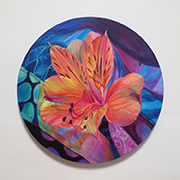
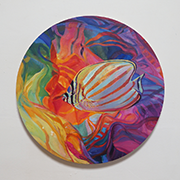
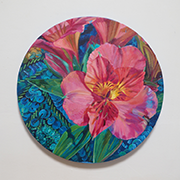 Art also belongs in our everyday surroundings. The interiors we create quietly communicate what we value. A home thoughtfully arranged with original art, textiles, handcrafted objects, books, flowers and meaningful possessions can nurture an appreciation for beauty and creativity. Artistic interiors do not have to be expensive or elaborate. They are spaces created with imagination, individuality and care. When children grow up surrounded by art, art becomes a natural part of life rather than something reserved for museums or collectors.
Culture also lives in the way we treat one another. It is found in preparing a meal for guests, gathering around a table, dressing for an occasion, visiting relatives, respecting elders, sharing stories and celebrating together. It is also found in learning to socialize with warmth, consideration, patience and self-control. These seemingly ordinary practices create connection and a sense of belonging.
Modern life offers extraordinary convenience. Food arrives at our doors, entertainment is available instantly, and technology can generate images, music and stories. But convenience cannot completely replace experience.
If families stop gathering, future generations may not know the pleasure of gathering. If we stop practicing hospitality, welcoming people into our homes may begin to feel burdensome rather than joyful. If children never visit galleries, hear live music, taste traditional foods, or experience thoughtfully created spaces, they cannot know whether these things might enrich their lives.
This does not mean every tradition must remain unchanged. Culture has always evolved. Our responsibility is not to make the next generation live exactly as we did. It is to give them something meaningful to choose from.
Take them to the gallery. Hang original art at home. Cook the recipe. Attend the concert. Tell the family stories. Invite people over. Celebrate the festival. Practice hospitality.
Some traditions they will keep, some they will reinterpret, and others they may leave behind. That is their choice.
But choice requires exposure.